Best Bets for January & February

MLK Day is January 20th, so it’s a great time to use some exceptional reader’s theater to teach about this icon of American history. My play, Martin’s Big Dream, tells about how an incident in the sandlot during King’s childhood helped inspire his mission. It’s my top play ever. It’s been published in Storyworks, Scope, Scholastic News, Instructor Magazine, in various textbooks, and in the book, Read Aloud Plays: Symbols of America. It’s also been professionally performed by the Palace Youth Theater and other organizations.  You can pair your use with PYT’s performance by visiting here.  

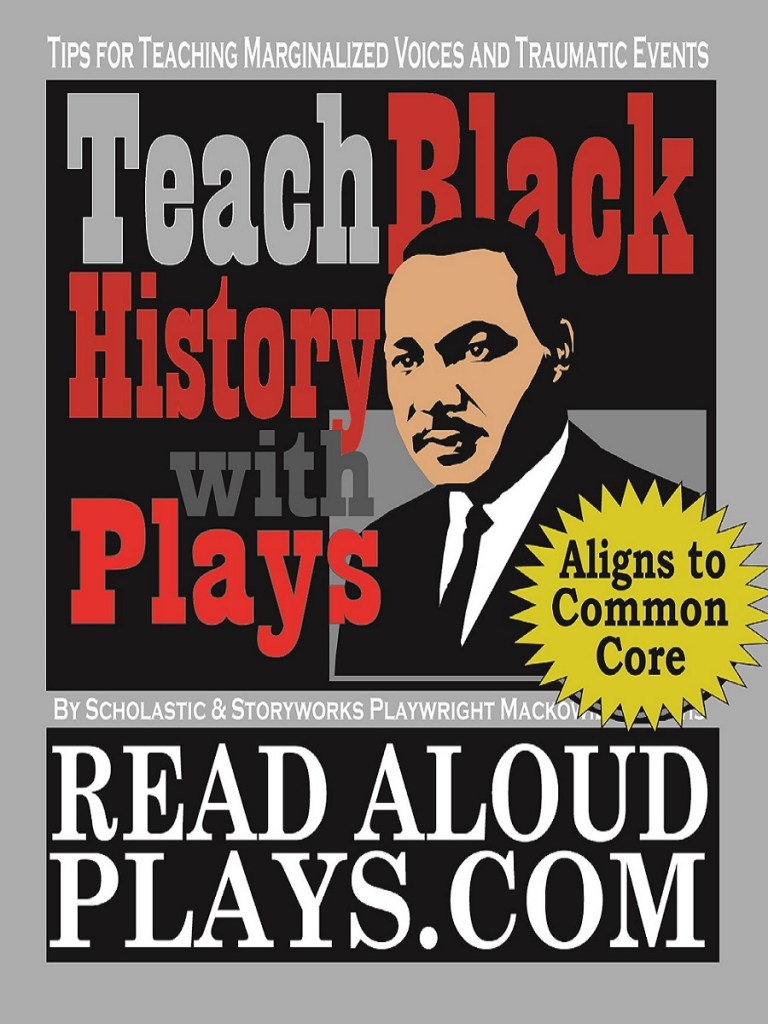
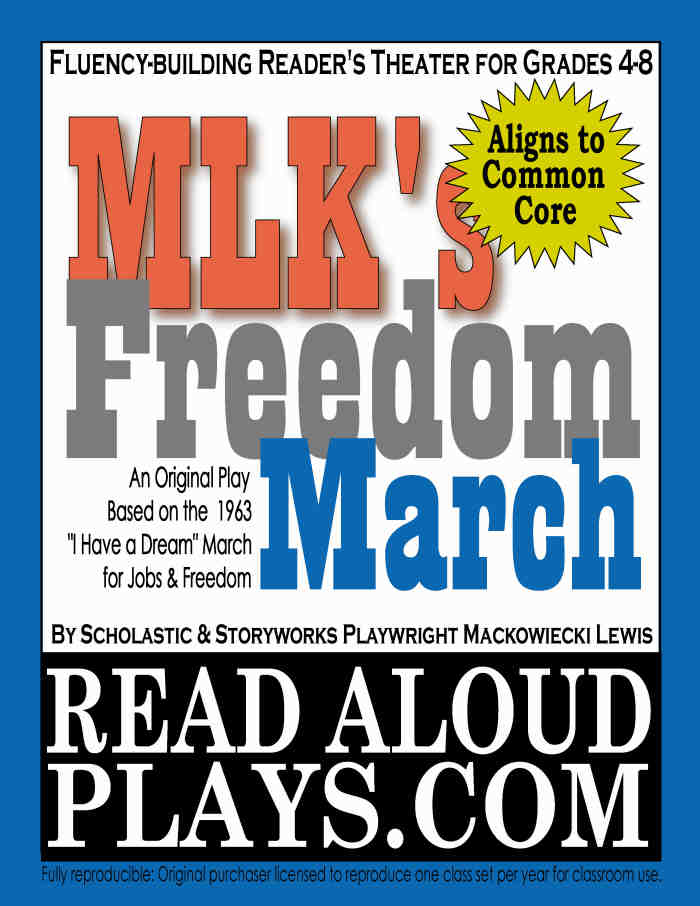
Other MLK plays include Sitting Down for Dr. King, In the Jailhouse with Dr. King, and my personal favorite, MLK’s March on Washington.  But wait! Not sure how to teach such sensitive topics? Download our free “Tips for Teaching Marginalized Voices and Traumatic Events” by clicking here.  

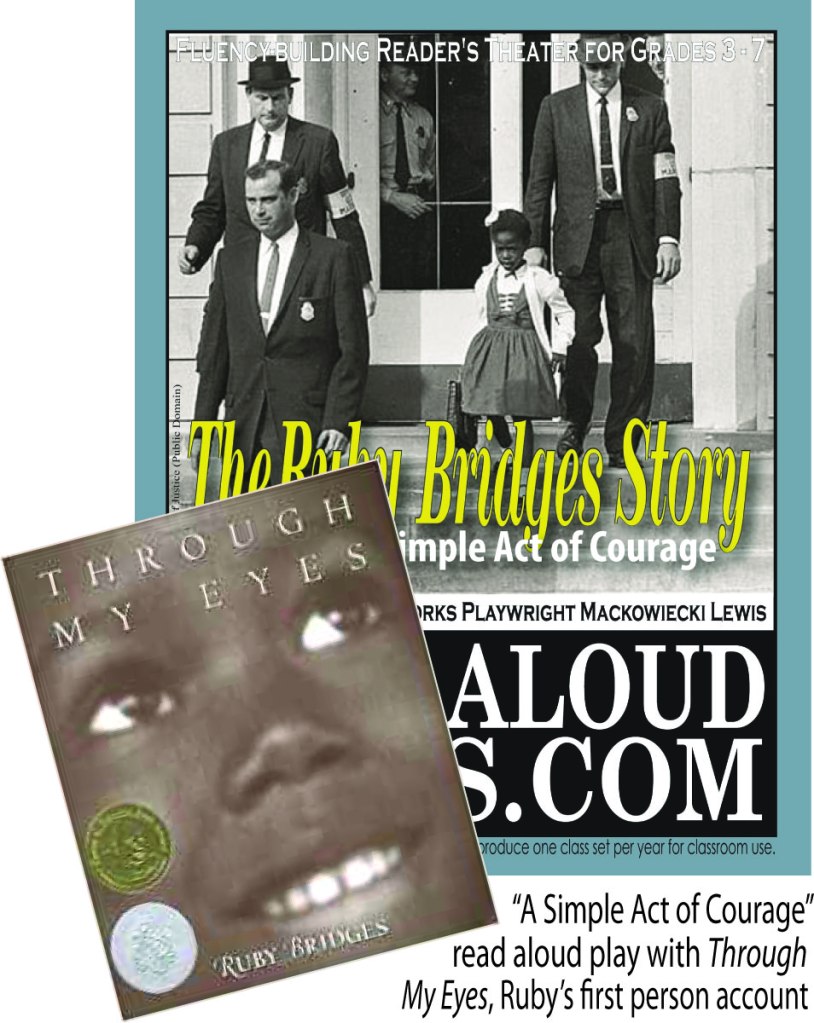
Of course, all of these plays are also great picks for Black History Month in February, and now is the time to get started if you want a first-rate presentation.  Focusing on one or more of the young heroines of the Civil Rights Movement might inspire some of your female students to greatness, so consider our scripts about Ruby Bridges, Sheyanne Webb, and Claudette Colvin.

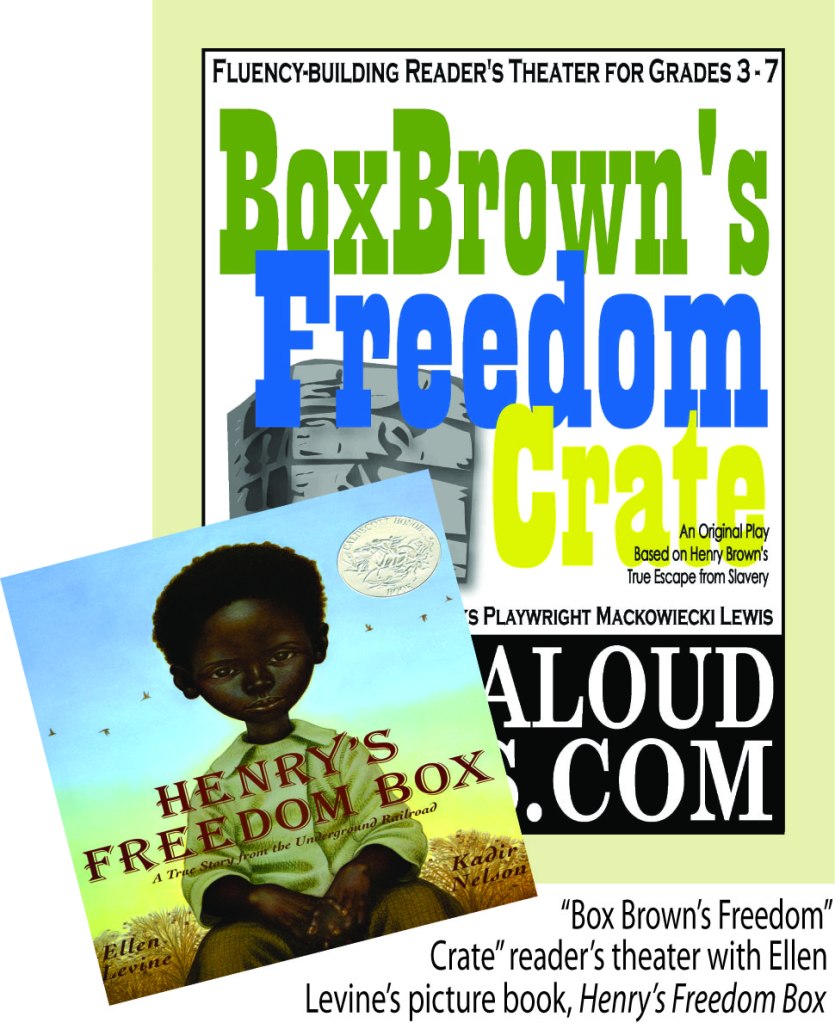
We also have plays about Box Brown, the man who escaped slavery by mailing himself in a crate, about baseball great Jackie Robinson, and about the author, Richard Wright.

President’s Day is February 17th. Presidents’ Day Dream looks at the Presidency from a different viewpoint. When the play’s lead character day dreams about being president, she’s met in her “dream” by various former presidents. Each speaks frankly about the challenges and hardships of the job while pointing out the qualities it takes to be a good leader. It’s an easy one to perform.

Another one for February is Argument at Mount Rushmore. It imagines the sixty-foot tall faces on Rushmore “discussing” the merits and accomplishments of each of their presidencies. Though built on a humorous platform, it’s a historically-accurate portrayal of the gracious Washington, the witty Lincoln, and the always-enthusiastic Roosevelt. As for the sometimes over-looked and often under-appreciated Jefferson, well, let’s just say he gets a bit bent out of shape—just as you might be if you miss the chance to snag some of these timely play scripts.

Happy directing!

MLK Day is January 15th!

march-on-washington-cover-nb3-700x906If you’re like me, you put a bow on the holidays and then breathed a sigh of relief as you headed home for the break. But here you are heading back to class and MLK Day is already upon you!  You have no time to lose when it comes to planning your MLK Day and Black History Month activities!  So, let’s get right to the point of this post: ReadAloudPlays.com specializes in Black History Month and MLK plays.

In 2021, despite all the Covid-related restrictions, the folks at the Palace Theatre in New Hampshire selected a couple of my plays to enact for Black History Month. I’ve posted the video here so that you can take a look. Whether or not these two plays inspire you to download any of my material, I hope you’ll still share the video with your students. Consider having them watch the production and then read the plays. Or, simply have them follow along with the script while viewing.

The two plays shown are Martin’s Big Dream, which reveals how incidents from King’s childhood inspired his work, and A Simple Act of Courage, which shares the role Ruby Bridges played in integrating America’s schools. They’re both available in my TpT and Etsy stores.

You’ll also find numerous other plays told from the perspective of Civil Right icons like Jackie Robinson, Claudette Colvin, and Sheyann Webb. One of the hallmarks of a quality historical play for kids is that the story is told through the eyes of a child witnessing the events firsthand. These plays all meet that standard.

A favorite of mine is MLK’s Freedom March, which is told through the eyes of eleven-year-old Lucy. Her grandmother is dying of cancer, her father is worried about losing his job, and her brother is fired up about The March for Jobs and Freedom, the iconic event where Dr. King delivered his “I Have a Dream” speech. It’s a powerful play with multidimensional characters backed by King’s awe-inspiring speech. 

If you don’t know where else to start, download my free products, Tips for Teaching Marginalized Voices and Traumatic Events and Reader’s Theater Teaching Tips, which outlines best practice when using plays.  Be sure to also download the full previews of my plays deemed sensitive or potentially controversial. When unsure about a text, consider using it for traditional reader’s theater, podcast, or a discussion-based in-class reading rather than a stage production. In such cases, the important content still gets taught without running the risk of someone being offended by a “reenactment” of a traumatic event.

Thank you for continuing Dr. King’s work, and happy directing!

Plays and Paired Texts for Black History Month

Here are ten compelling paired texts with which to recognize black history month while meeting numerous Language Arts standards. All the plays are based on the given event–not it’s paired text (in most cases the play was published before the given book). That means each pairing represents distinctly unique points of view (Literature CCSS #6), making for livelier discussions and quality comparisons (CCSS Lit #7). And because these plays are based on real events, they’ll also satisfy CCSS Informational Text #6. Each includes a comprehension activity, too, assuring your students will satisfy numerous other standards as well. And because almost all my plays were originally commission by and published in Scholastic’s Storyworks and Scope magazines, they’ve been professionally vetted, making them the best reader’s theater available. Only six of the ten are shown here–just click on the image to preview or purchase on my Etsy or TeachersPayTeachers storefront. Also be sure to check out these recorded performances of “Martin’s Big Dream” and “Ruby Bridges: A Simple Act of Courage” by The Palace Youth Theater. Happy directing!

Reader’s Theater for MLK Day

MLK Day feels especially important this year. Let’s face it, we have a lot of work to do if we’re to fulfill the dream Dr. King spoke of so poignantly more than fifty years ago. We have a lot of work to do if we’re to validate the effort and sacrifice of people like John Lewis, Medgar Evers, Rev. Jonathan Daniels, and other heroes of the Civil Rights Crusade. We have a lot of work to do if we’re to heal from all the wounds torn open by the tragedies and injustices of these last few years. Can we accomplish all that on a single holiday in January?

Of course not.

But MLK Day is a platform. It’s a launch pad. It’s a starting point for the hard work of sharing the stories, teaching the history, and promoting the diversity that will make the next generation happier and healthier. I don’t pretend to think my reader’s theater plays will accomplish all that by themselves, but I think you’ll find them useful tools in undertaking that challenge. Download this free preview pack, visit my Black History & Civil Rights page, and see if you can’t make your MLK Day and Black History Month something special. Make it an MLK Day that matters.

Happy directing.

Try These for Black History Month

February is Black History Month! In addition to all the MLK plays featured in my last post, here’s more great reader’s theater that’ll make your black history curriculum stay with your students for years to come. Like nearly all my plays, these scripts have been previously published in places such as Scholastic News and Storyworks, so they’ve been professionally vetted to meet the highest standards. They also come with comprehension activities that are designed to be straight-forward and easy to use. And because I use all these plays and activities in my own classroom, they’ve been kid-tested. To preview or purchase, just click on a cover and you’ll be taken to my storefront at TeachersPayTeachers.

Claudette Colvin Twice Toward Justice PlayBlack History Reader's TheaterBox Brown's Freedom Crate

The Girl Who Got Arrested tells the story of Claudette Colvin, the first person to be arrested for refusing to relinquish her seat on a Montgomery city bus. Claudette was a teenager at the time and was deemed “unfit” to represent the Civil Rights cause, which makes her story that much more compelling. Pair the play with Philip Hoose’s book Twice Toward Justice for even greater engagement. The Library Card, meanwhile, can be paired with original text from Richard Wright’s autobiography Black Boy (for mature students) or the picture book entitled Richard Wright and the Library Card by William Miller (younger students). The right to possess a library card helps depict the value of reading. Box Brown’s Freedom Crate tells the true story of Henry “Box” Brown, the slave who mailed himself to freedom inside a wooden crate. This is particularly fun to enact on stage (see my post “Why You Need a Cardboard Box for Black History Month“).

Jackie Robinson reader's theater scriptCivil War reader's theaterClick on the cover to preview on TpT!

My Jackie Robinson play is another especially fun play to enact on stage. It features a peanut vendor and a hot dog man narrating the story from the audience as they sell their imaginary snacks at a Yankees game. And don’t underestimate the significance of Jackie’s struggle to the Civil Right Movement. The sports world has historically set the tone for progress when it comes to social justice. Freedom for the First Time is about the end of the Civil War, the “Day of Jubilee,” when slaves knew freedom for the first time. I consider it my most beautiful play. Finally, Spies & Rebels does not include any African-American characters, yet it’s depiction of Pinkerton agents working to save Lincoln is a nice compliment to your African-American Month curriculum.

Be sure too to peruse my numerous original scripts about MLK, as well as all my plays at ReadAloudPlays.com and my storefront at TeachersPayTeachers.

Happy directing!

42: The Most Important Number to Teach This Month

Public domain picture of jackie robinsonThe Major League Baseball season’s Spring Training is underway, which seems a trivial point in the broad scheme of academics. Yet were it not for Jackie Robinson’s breaking of the color-barrier, education in America might look alarmingly different.

When I was growing up, I was a sports fanatic. By then, professional sports had already been integrated, so it was easy for me–as Dr. King would say--to judge a man by his character rather than the color of his skin. The grit and tenacity of Matty Alou on the baseball diamond and Terry Metcalf on the gridiron made them my heroes and helped teach me to be “color-blind.” But the fact that Alou and Metcalf were out there at all was the direct result of Jackie Robinson’s own grit and determination.

There was never any doubt that Robinson had the talent to play in the Major Leagues. The issue was whether or not he’d have the character necessary to withstand the racist slurs and physical violence that followed him everywhere he went, both on and off the ballfield. Imagine what would have happened had Jackie responded in kind, perhaps taking a swing at a white player who’d deliberately spiked him, or kicking dirt at an umpire who refused to call a fair game. He would have been quickly drummed out of baseball. Integration of all our institutions, including education, would have been delayed for decades.How Jackie saved the World readers theater play skit

No doubt you have a crop of kids in your classroom who idolize professional athletes. Whether black, white, or striped (as Pee Wee Reese is quoted as saying), learning about Jackie Robinson will help them judge their fellow man by his character just as they judge their sports heroes by their grit.

April 15th is Jackie Robinson Day, the day every Major League player wears number 42 in Jackie’s honor. The league doesn’t celebrate it because Jackie was a great player, but because of the importance and difficulty of Jackie’s accomplishment. It’s a great time to enact How Jackie Saved the World. Kids consistently tell me it’s one of their absolute favorites to perform. I’m confident your students—especially your young sports fans—will enjoy it as well. You can preview and/or purchase it from TeachersPayTeachers by clicking here. You can also listen to some of my students performing it by following this link.

Happy directing!

Why You Should Teach Baseball on April 15th

Click here to preview or purchase on TpTThe Major League Baseball season is underway, which seems a trivial point in the broad scheme of academics. Yet were it not for Jackie Robinson’s breaking of the color-barrier, education in America might look alarmingly different.

When I was growing up, I was a sports fanatic. By then, professional sports had already been integrated, so it was easy for me–as Dr. King would say--to judge a man by his character rather than the color of his skin. The grit and tenacity of Matty Alou on the baseball diamond and Terry Metcalf on the gridiron made them my heroes and helped teach me to be “color-blind.” But the fact that Alou and Metcalf were out there at all was the direct result of Jackie Robinson’s own grit and determination.

There was never any doubt that Robinson had the talent to play in the Major Leagues. The issue was whether or not he’d have the character necessary to withstand the racist slurs and physical violence that followed him everywhere he went, both on and off the ballfield. Imagine what would have happened had Jackie responded in kind, perhaps taking a swing at a white player who’d deliberately spiked him, or kicking dirt at an umpire who refused to call a fair game. He would have been quickly drummed out of baseball. Integration of all our institutions, including education, would have been delayed for decades.

No doubt you have a crop of kids in your classroom who idolize professional athletes. Whether black, white, or striped (as Pee Wee Reese is quoted as saying), learning about Jackie Robinson will help them judge their fellow man by his character just as they judge their sports heroes by their grit.

April 15th is Jackie Robinson Day, the day every Major League player wears number 42 in Jackie’s honor. The league doesn’t celebrate it because Jackie was a great player, but because of the importance and difficulty of Jackie’s accomplishment. It’s a great time to enact How Jackie Saved the World. Kids consistently tell me it’s one of their absolute favorites to perform. I’m confident your students—especially your young sports fans—will enjoy it as well. You can preview and/or purchase it from TeachersPayTeachers by clicking here. You can also listen to some of my students performing it by following this link.

Happy directing!

Selma Movie, Selma Play

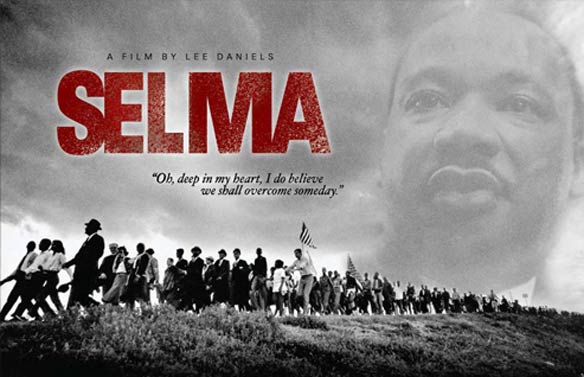
Selma, Oprah Winfrey's new movie about MLKBuzz about Oprah Winfrey’s new movie Selma is shining a light on the Selma to Montgomery March. The film, which depicts the 1965 events in Alabama, drew standing ovations at its screening in New York. Says film critic Roger Friedman, “Watching ‘Selma’ you really feel like all the plays, movies, TV shows, songs– every theater piece about King– all of it culminates in this film.” (Click here to see the trailer.)

Selma was the site of protests over voting rights. African-Americans there and in neighboring counties were routinely denied the right to vote through the use of poll taxes, threats of retribution, proficiency tests, and other manipulations. Today, that all sounds pretty vanilla, but make no mistake, Selma was a terrifyingly murderous place.

Dr. King, Hosea Williams, James Bevel, and other civil rights leaders organized a march to the state capital where they hoped to confront then-Governor George Wallace. But when the marchers arrived at the Edmund Pettus Bridge on the outskirts of town, state troopers—including many on horseback—violently attacked the marchers with clubs and tear gas. It became known as Bloody Sunday. International news coverage of the violence led directly to the signing of the Voting Rights Act, a turning point in the civil rights struggle.Click on the cover to preview or purchase
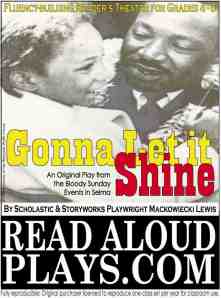
The movie’s release date (Christmas Day) is timed to take advantage of the annual focus on MLK Day in January and Black History Month in February. But this is an important bit of history regardless of one’s race. We live in an era of voter apathy, a time when we tend to take our right to vote for granted. If our students have any hope of changing the world, one would think they’ll need to reclaim the voting booth. Our kids need to know this story both for what it means to America’s history and for what it means for America’s future. “There’s a lump in your throat at the end of ‘Selma,’” says Friedman. Kids need to experience that lump in the throat.

I don’t know what the movie will be rated, but due to its mature content, I doubt any of us will ever be able to share it in our elementary or middle school classrooms. But you can take advantage of the interest in the film by using the read aloud play, Gonna Let it Shine. It depicts the Selma campaign from the perspective of Sheyann Webb, who was eight at the time. Sheyann, along with her friend Rachel West, became known as “Dr. King’s youngest freedom fighters.” Sheyann was there at the rallies, at the funerals, and on the bridge. She experienced the sting of teargas. She ran from Sheriff Clark’s posse. Her story is a great way to introduce students to the civil rights struggle and to help them appreciate their future voting rights.

The play is available at TeachersPayTeachers and ReadAloudPlays.com. Happy directing!

Why You Should Teach Black History on April 15th

Click here to preview or purchase at TpTThe Major League Baseball season is underway, which seems a trivial point in the broad scheme of academics. Yet were it not for Jackie Robinson’s breaking of the color-barrier, education in America might look alarmingly different.

When I was growing up, I was a sports fanatic. By then, professional sports had already been integrated, so it was easy for me–as Dr. King would say--to judge a man by his character rather than the color of his skin. The grit and tenacity of Matty Alou on the baseball diamond and Terry Metcalf on the gridiron made them my heroes and helped teach me to be “color-blind.” But the fact that Alou and Metcalf were out there at all was the direct result of Jackie Robinson’s own grit and determination.

There was never any doubt that Robinson had the talent to play in the Major Leagues. The issue was whether or not he’d have the character necessary to withstand the racist slurs and physical violence that followed him everywhere he went, both on and off the ballfield. Imagine what would have happened had Jackie responded in kind, perhaps taking a swing at a white player who’d deliberately spiked him, or kicking dirt at an umpire who refused to call a fair game. He would have been quickly drummed out of baseball. Integration of all our institutions, including education, would have been delayed for decades.

No doubt you have a crop of kids in your classroom who idolize professional athletes. Whether black, white, or striped (as Pee Wee Reese is quoted as saying), learning about Jackie Robinson will help them judge their fellow man by his character just as they judge their sports heroes by their grit.

April 15th is Jackie Robinson Day, the day every Major League player wears number 42 in Jackie’s honor. The league doesn’t celebrate it because Jackie was a great player, but because of the importance and difficulty of Jackie’s accomplishment. It’s a great time to enact How Jackie Saved the World. Kids consistently tell me it’s one of their absolute favorites to perform. I’m confident your students—especially your young sports fans—will enjoy it as well. You can preview and/or purchase it from TeachersPayTeachers by clicking here. You can also listen to some of my students performing it by following this link.

Happy directing!

April 15th is Jackie Robinson Day

Click here to preview or purchase at TpTThe Major League Baseball season is underway, which seems a trivial point in the broad scheme of academics. Yet were it not for Jackie Robinson’s breaking of the color-barrier, education in America might look alarmingly different.

When I was growing up, I was a sports fanatic. By then, professional sports had already been integrated, so it was easy for me–as Dr. King would say--to judge a man by his character rather than the color of his skin. The grit and tenacity of Matty Alou on the baseball diamond and Terry Metcalf on the gridiron made them my heroes and helped teach me to be “color-blind.” But the fact that Alou and Metcalf were out there at all was the direct result of Jackie Robinson’s own grit and determination.

There was never any doubt that Robinson had the talent to play in the Major Leagues. The issue was whether or not he’d have the character necessary to withstand the racist slurs and physical violence that followed him everywhere he went, both on and off the ballfield. Imagine what would have happened had Jackie responded in kind, perhaps taking a swing at a white player who’d deliberately spiked him, or kicking dirt at an umpire who refused to call a fair game. He would have been quickly drummed out of baseball. Integration of all our institutions, including education, would have been delayed for decades.

No doubt you have a crop of kids in your classroom who idolize professional athletes. Whether black, white, or striped (as Pee Wee Reese is quoted as saying), learning about Jackie Robinson will help them judge their fellow man by his character just as they judge their sports heroes by their grit.

April 15th is Jackie Robinson Day, the day every Major League player wears number 42 in Jackie’s honor. The league doesn’t celebrate it because Jackie was a great ballplayer, but because of the importance and difficulty of Jackie’s accomplishment. It’s a great time to enact How Jackie Saved the World. Kids consistently tell me it’s one of their absolute favorites to perform. I’m confident your students—especially your young sports fans—will enjoy it as well. You can preview and/or purchase it from TeachersPayTeachers by clicking here. You can also listen to some of my students performing it by following this link.

Happy directing!